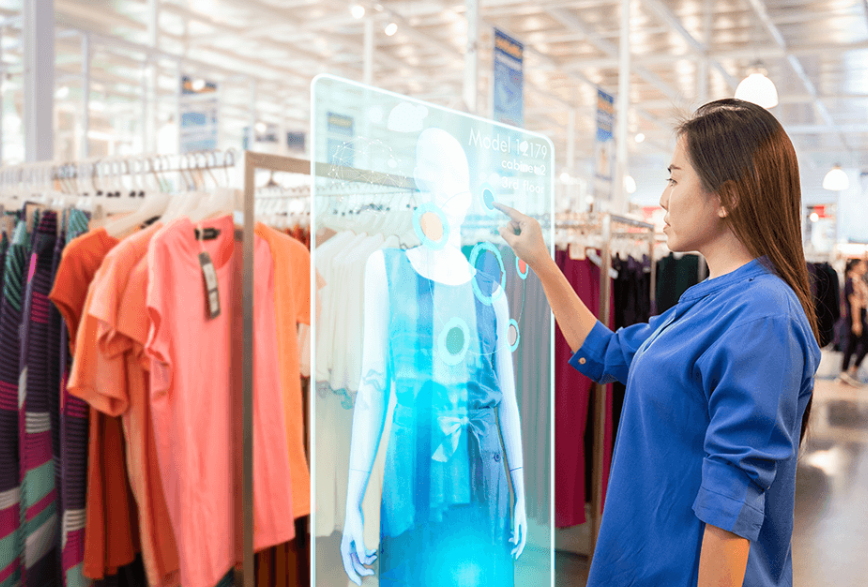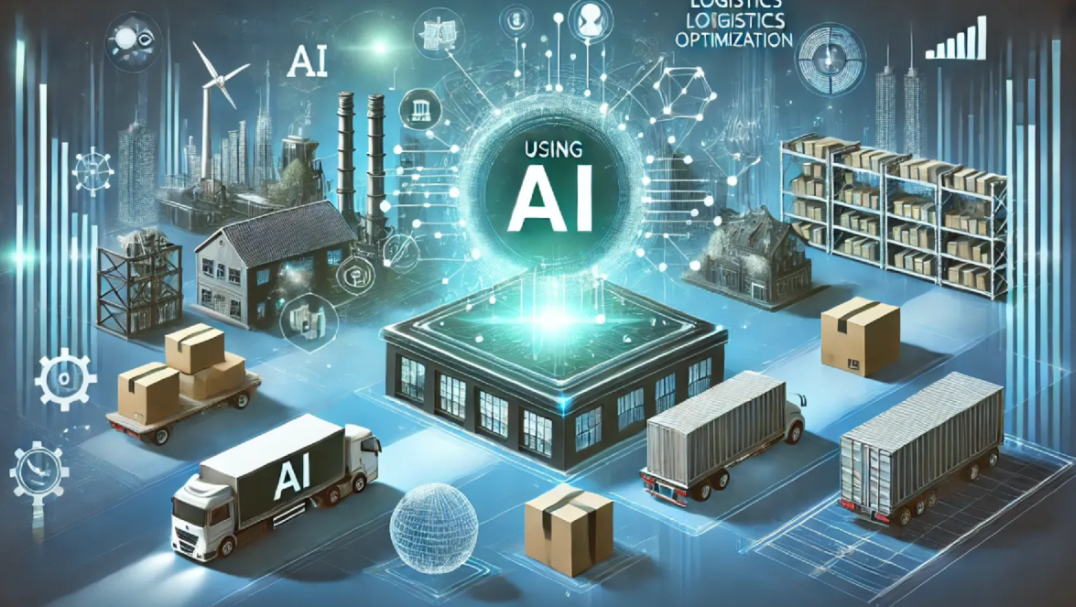
Technology-driven personalization in retail represents a significant shift in how brands interact with consumers. By harnessing data analytics and artificial intelligence, retailers can gain critical insights into customer behavior. This facilitates the creation of tailored experiences that meet individual preferences and needs. However, the effectiveness of these strategies raises important questions about their long-term impact on customer loyalty and market dynamics. What implications might this have for the future of retail?
Understanding Consumer Behavior Through Data Analytics
As retailers increasingly rely on data analytics to refine their strategies, understanding consumer behavior has become paramount for success.
Customer segmentation, through detailed behavioral tracking, allows retailers to identify distinct consumer patterns. This insight enables them to tailor offerings, enhance customer experiences, and foster loyalty.
Ultimately, leveraging data-driven approaches empowers retailers to navigate market dynamics while respecting the individuality of their customers.
See also: Technology Innovations in Shopping Experiences
The Role of Artificial Intelligence in Personalization
The integration of artificial intelligence (AI) into retail personalization has transformed how businesses engage with their customers.
AI algorithms enable sophisticated customer segmentation, allowing retailers to tailor offers and recommendations based on individual preferences. This data-driven approach enhances customer experience by delivering relevant content while fostering loyalty.
As a result, retailers can create deeper connections, ultimately driving sales and growth in a competitive market.
Implementing Personalized Marketing Strategies
Implementing personalized marketing strategies requires a multifaceted approach that leverages customer data to create tailored experiences.
Effective customer segmentation allows retailers to identify distinct groups, enabling targeted promotions that resonate with individual preferences.
By analyzing purchasing behavior and demographics, businesses can craft compelling offers, enhancing engagement and satisfaction.
This strategic alignment fosters a deeper connection between consumers and brands, ultimately promoting freedom in choice and experience.
Measuring the Impact of Personalization on Customer Loyalty
How does personalization influence customer loyalty in today’s retail landscape?
Retailers increasingly rely on loyalty metrics to gauge customer retention.
Personalization fosters deeper connections, encouraging repeat purchases and fostering brand advocacy.
Through targeted recommendations and tailored experiences, brands can effectively measure the impact of their strategies.
Consequently, enhanced customer loyalty emerges as a key outcome, driving sustainable growth in an ever-competitive market.
Conclusion
In conclusion, technology-driven personalization in retail has transformed the shopping landscape into an almost magical experience, where consumers feel as if retailers can read their minds. By harnessing data analytics and artificial intelligence, brands can craft highly tailored marketing strategies that resonate deeply with individual preferences. This intricate approach not only boosts customer loyalty but also equips retailers with the agility needed to thrive in a fiercely competitive market, ensuring sustainable growth and enduring brand advocacy.